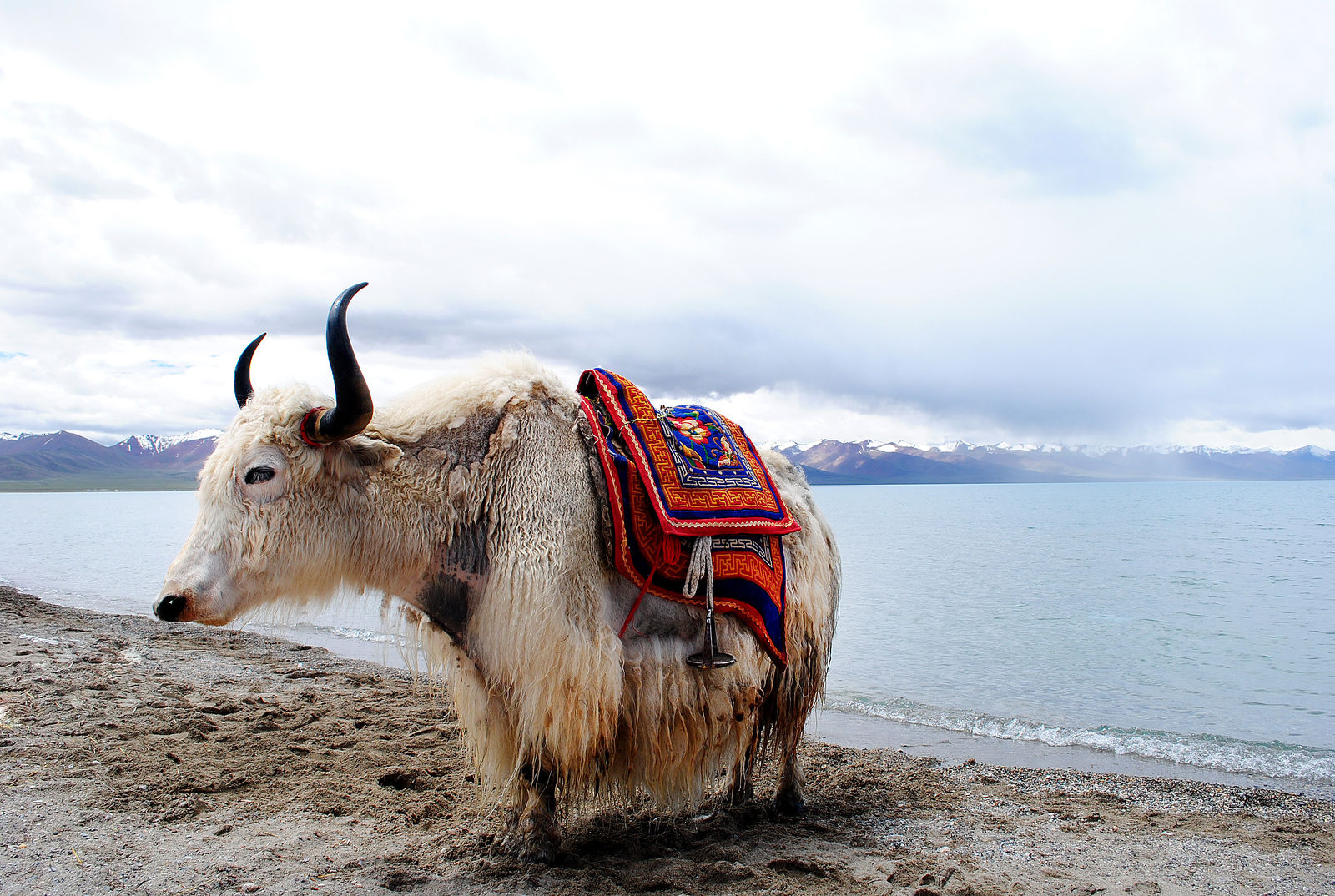
Tibet holds the largest reserves of freshwater outside the Arctic and Antarctic. Its rivers flow into India, Southeast Asia, and China, providing water for more than a billion people. This makes Tibet not only an ecological treasure, but also a geopolitical flashpoint.
Chinese hydropower projects and climate change are reshaping Tibet’s fragile environment, threatening biodiversity, water security, and peace across Asia.
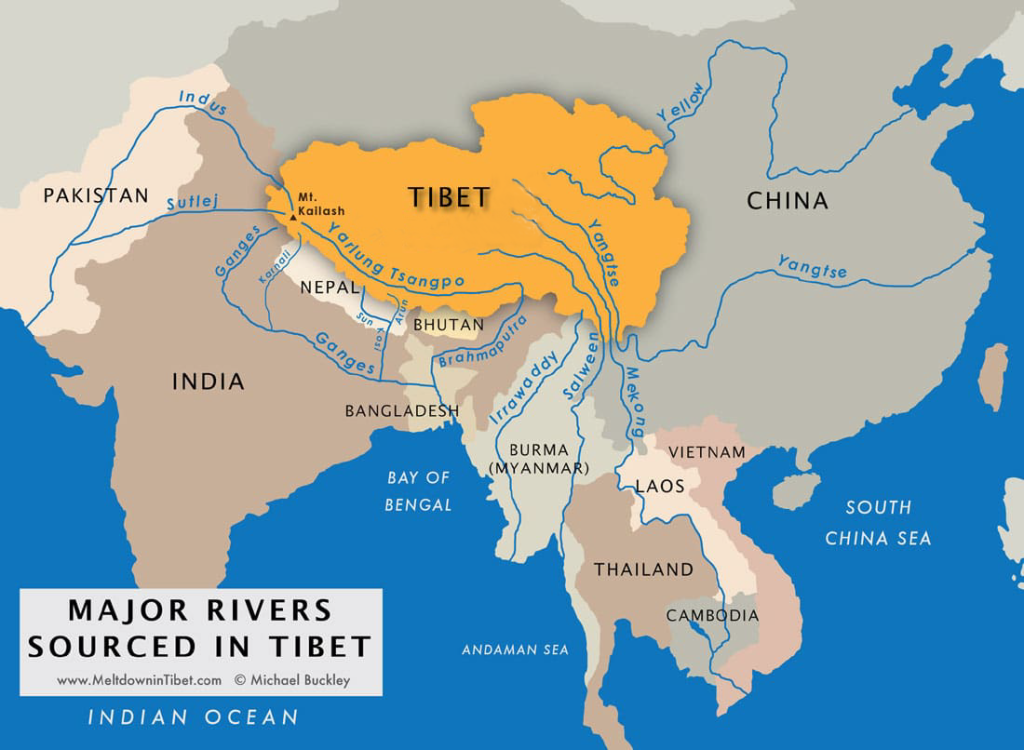
We bring together Tibetan researchers, climate experts, EU policymakers, and civil society to address the water crisis on the Tibetan Plateau and ensure Tibet’s water resources, the lifeline of Asia, are protected through international cooperation, peace, and accountability.
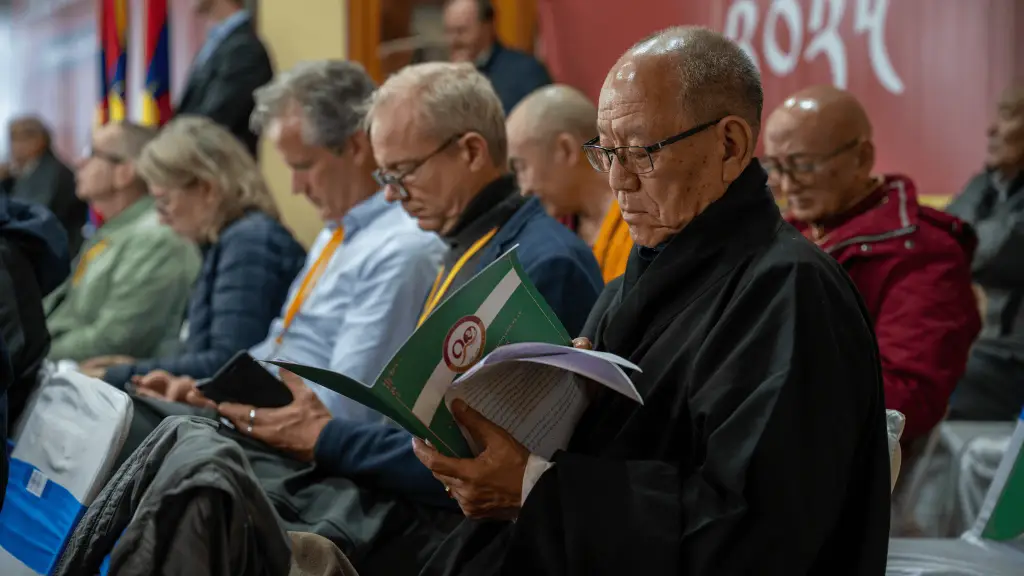
Research Reports
Documenting China’s expansion of hydropower dams and the global climate implications.

Dialogue for Our Future
A conference co-organised by ICT that united international experts, policymakers, and stakeholders.
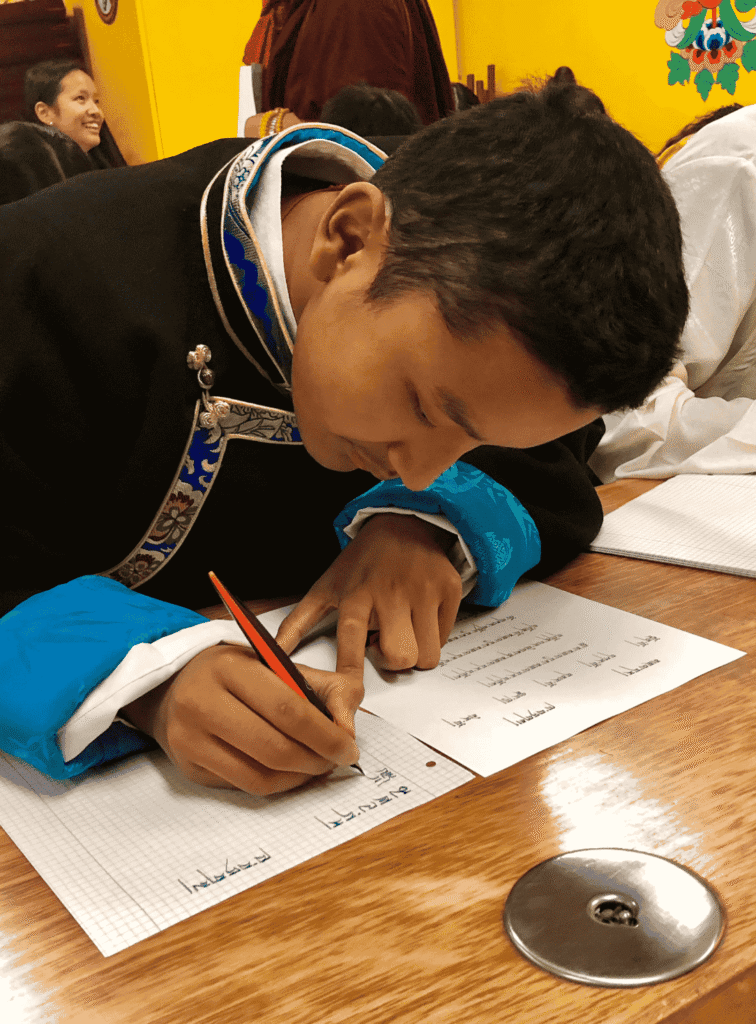
Capacity Building
Empowering Tibetan researchers, advancing dialogue and promoting solutions for regional cooperation.
“It is my dream that the entire Tibetan plateau should become a free refuge where humanity and nature can live in peace and in harmonious balance.”
– His Holiness the Dalai Lama, Nobel Peace Prize Lecture, Oslo, 1989
His Holiness’s Five-Point Peace Plan (1987) laid out a vision where demilitarisation, cultural respect, democratic freedoms, and ecological stewardship form the foundation for stability in Asia.
Tibet can serve as a cornerstone and its unique culture and strategic position can offer a bridge between peoples and nations including China and India, as well as the Uyghur, adjacent Himalayan people and Mongolia. A stable and free Tibet could be key to regional peace, not just for Tibetans, but for all the surrounding nations and peoples.
Read more:
You too can help protect Tibet’s water and environment, become a donor now!